
We have more ways to search for businesses than ever before.
Google.
Instagram.
Facebook.
TikTok.
Maps.
AI search tools.
So does anyone still need an online business directory?
Absolutely.
But the role of the directory has changed.
The old-fashioned directory was essentially a long list of names and phone numbers.
A useful modern directory does something very different.
It helps people discover, compare and understand businesses before deciding who to contact.
Search engines are brilliant — but very broad
If you search for a service online, you’ll usually get a mixture of results.
Large national companies.
Advertisements.
Social media profiles.
Directories.
Articles.
Businesses that happen to rank well.
Businesses that may not even be in your area.
Search engines are incredibly powerful, but sometimes you want something more focused.
If you’re specifically looking for a local practitioner or service business, browsing a directory built around those businesses can make the process much easier.
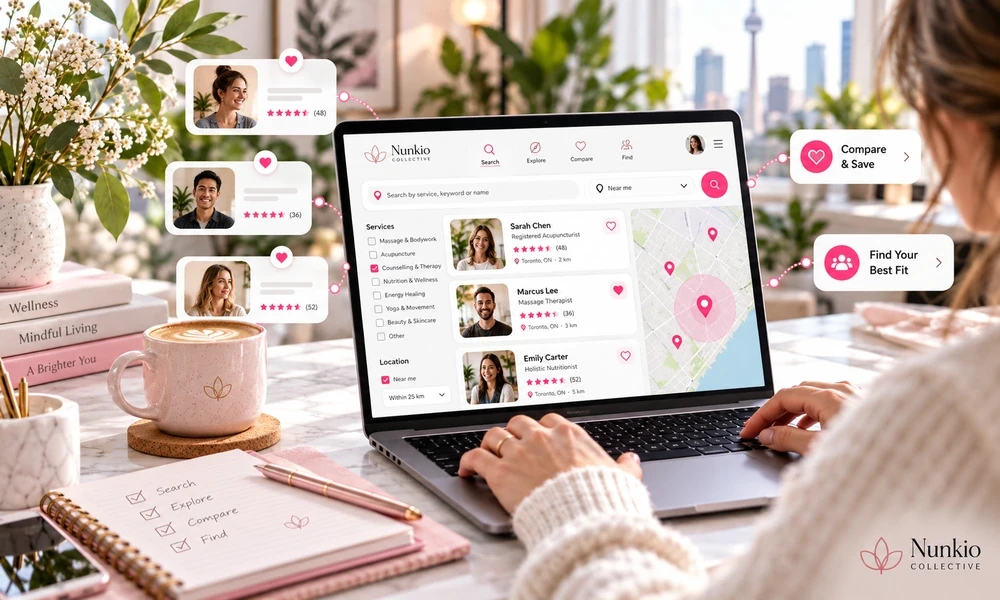
A directory lets you search within a category
Imagine you’re looking for a massage therapist.
A normal web search might return spas, hotels, massage products, training courses, directories and practitioners.
A specialist directory lets you start closer to what you actually want.
You can browse a profession or service and then narrow the options.
That makes discovery much easier.
Location becomes much more useful
Local service businesses are exactly that: local.
Someone looking for a hair stylist, physiotherapist, plumber or beauty therapist often isn’t interested in a business on the other side of the country.
A good business directory allows location to become part of the search.
That might mean searching by town, suburb or area.
Or simply using Near Me to see what’s around you.
Suddenly a huge list of possible businesses becomes much more relevant.
You can discover businesses you didn’t already know about
Social media is excellent when you already follow a business or someone shares it with you.
But it isn’t always good at showing you every relevant business in your area.
Smaller businesses can easily disappear beneath larger accounts or businesses that spend heavily on advertising.
Directories level that playing field.
A one-person practice can appear alongside a much larger company if both provide the service you’re looking for.
That makes directories particularly valuable for independent practitioners and small local businesses.
Everything is easier to compare
One of the problems with researching businesses across the web is that the information lives everywhere.
One business has a great website.
Another mostly uses Instagram.
Another has only a Facebook page.
One lists pricing.
Another doesn’t.
A directory creates some consistency.
You can view similar types of information for several businesses without constantly jumping between completely different platforms.
That makes comparison simpler.
Reviews add context
Directories can also bring recommendations into the search process.
Instead of discovering a business and then searching somewhere else for feedback, reviews can sit alongside the business profile.
That doesn’t mean a review should make your decision for you.
But it gives you additional context from people who have actually used the service.
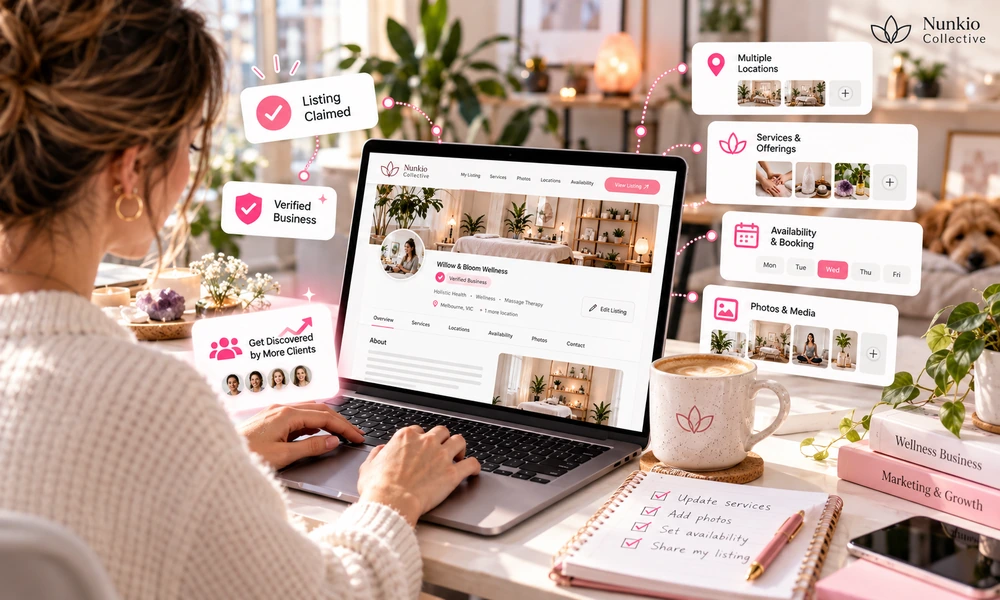
Directories help small businesses become visible
There is another side to this too.
Being discovered online can be difficult for small businesses.
Building a website, ranking in search engines, running social media accounts and paying for advertising all require time, money or both.
A directory gives a business another way to be found.
Someone who has never heard of that business can discover it simply because they searched for a relevant service nearby.
That’s powerful — particularly for very small businesses.
The best directories complement search engines
A modern directory doesn’t need to replace Google, social media or a business’s own website.
They can all work together.
You might discover a practitioner through a directory.
Read their profile.
Look at their reviews.
Visit their website.
Follow them on Instagram.
Then contact them.
Each platform does something different.
The directory simply makes that initial discovery easier.
That’s what we’re building with Nunkio Collective
Nunkio Collective is designed around the way people actually look for services.
Search for a business.
Search for a person.
Search by profession or service.
Look nearby.
Read the profile.
Check reviews.
Then decide who you want to contact.
Simple.
Because with thousands of talented independent practitioners and service businesses out there, finding the right one shouldn’t depend entirely on who has the biggest advertising budget or social media following.
Sometimes you just need a better way to look.